
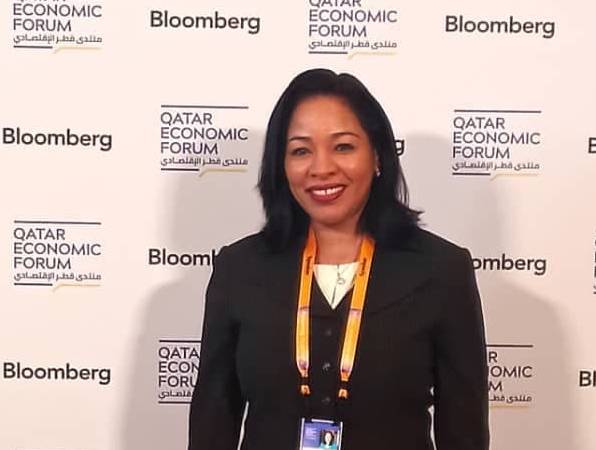
New and more effective public-private partnerships (PPPs) are urgently required to meet the critical infrastructure needs of a global economy. Around the world, new investments in electricity (green and other), roadways, railways, port facilities and water supplies are falling short of the demands of a growing population and an increasingly interconnected and interdependent global economy. While in the developed world, governments often have the financial capacity and experience in either providing such infrastructure directly, or through closely regulated private companies, such is not the case for much of the developing world, and in Africa in particular. In fact, the African Development Bank (“AFDB”) estimates that African countries need to invest 130-170 billion USD by 2025 to meet their present and future infrastructure needs.
Related posts
Moody’s downgrade of Senegal’s rating to Caa2 on August 28, 2026, is a stark warning. But it could also force Senegal to undertake the financial transformation it has never truly begun: shifting from a debt-based to a capital-based model. There are times when bad news can become an opportunity...
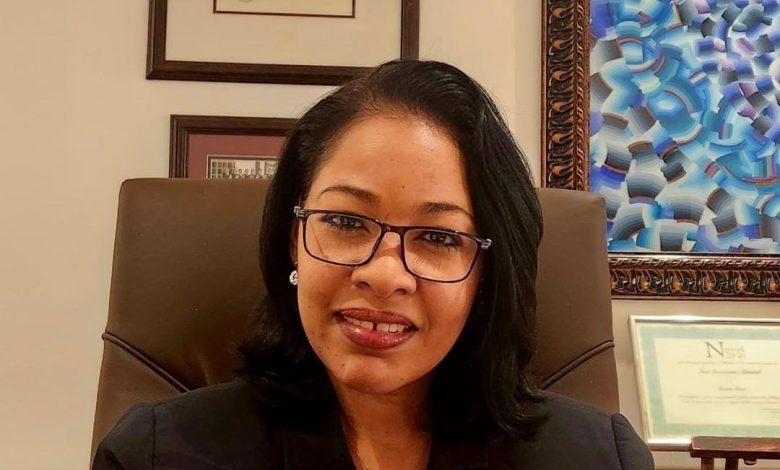
Léna Sène analyse dans une contribution surles impacts pour l’Afrique du conflit entre Iran et Israël, qui a fini d’être une préoccupation au niveau planétaire. « Il ne s’agit pas d’un conflit régional isolé. L’Afrique, en raison de ses vulnérabilités économiques, de sa dépendance aux importations et de la fragilité...

LénaSène, experte financière internationale et CEO deDevelopping Capital Africa (DCA), vient d’être distinguée au plan continental. Notre compatriote fait partie des« 100 FEMMES LES PLUS INFLUENTES D’AFRIQUE » choisies dans le cadre de la 3e édition des AFRICAN WOMEN AWARDS organisée àAddis-Abeba, la capitale éthiopienne. Elles devaient échanger autour...